
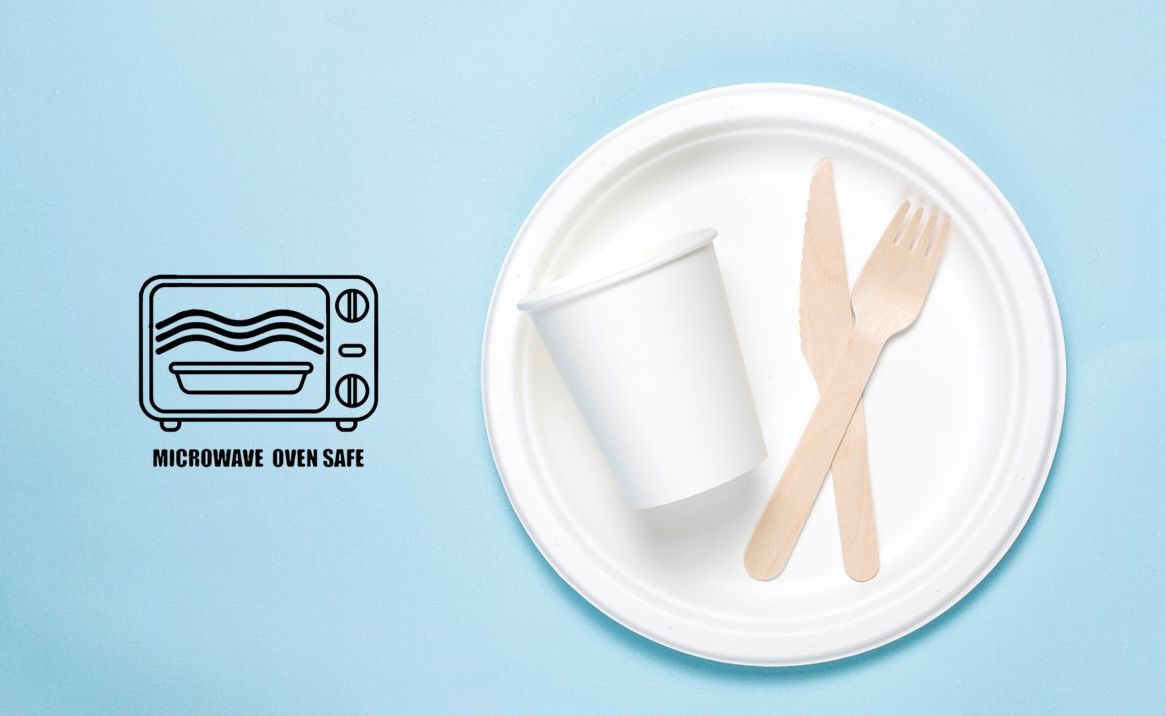
Most people use paper plates to heat food in the microwave because it is quick and convenient. But not every paper plate is safe for microwaving. Some plates are made with coatings or decorative prints that can melt, burn or release chemicals when heated. So before you put your food on a paper plate and microwave it, it is important to understand what makes a plate safe.
This guide explains how to check if a paper plate is microwave safe, which brands are the most reliable, how to heat food safely and what alternatives you can use if you want to avoid disposable plates altogether.
What Are Microwave Safe Paper Plates Made Of?
Microwave safe paper plates are made with clean and food grade paper material. These plates are usually plain with no glossy coating. They do not have plastic or wax that melts when heated.
Some cheap or decorative plates have shiny finishes. That shiny finish usually means there is wax, plastic or resin coating on top. These coatings can soften or melt in the microwave and can mix with your food. So it is always better to choose plates that are clearly marked as microwave safe.
Can You Microwave Paper Plates?
Are paper plates microwave safe: Yes, you can microwave paper plates, but it’s important to exercise caution and follow certain guidelines to ensure safety. According to the USDA, it is generally safe to microwave most paper plates. However, it’s important to note that not all paper plates are created equal. If your disposable plates have a microwave-safe label, you can confidently use them in the microwave.
However, if you’re uncertain about the safety of a paper plate and have discarded the packaging, it’s best to be cautious. Some paper plates may have a decorative sheen or coating, possibly made of a thin layer of plastic, which may not react well to the microwave. Therefore, it’s advisable to avoid microwaving plates with such coatings to ensure safety.
According to Hunting Waterfall’s experiment, you can microwave, regular paper plates for short periods of time without difficulty, but you probably shouldn’t. Paper plates can catch fire in the microwave if given enough time and heat, and they can also contain toxic chemicals that can seep into your food, but microwave-safe paper plates are free from this issue and can be microwaved easily.
Best Microwave Safe Paper Plates
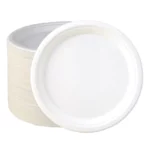
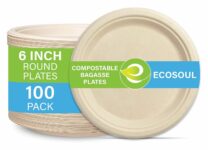
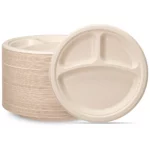
Here’s you’ll find different types of paper plates, whether you want paper plates in bulk, heavy duty paper plates, black paper plates, paper plate for BBQ Outdoor Kitchen Grills, brown paper plates, and many more.




Tips for Safe Microwaving of Paper Plates
If you decide to microwave paper plates, there are some steps you can take to reduce the risk of harm.
- First, use a low power setting on your microwave and microwave for short periods of time. This will help to minimize the amount of heat that the plate is exposed to and reduce the risk of melting or catching fire.
- Second, do not stack paper plates on top of each other when microwaving. Stacking plates can cause uneven heating and increase the risk of melting or catching fire. It is best to place one plate at a time in the microwave to ensure even heating.
- Finally, always monitor the microwave while it gets hot. If you notice any signs of melting or smoke, immediately stop the microwave and remove the plate. This will help to prevent any further damage or potential fire hazards.
To prevent spills and uneven heating, you can also use paper plate holders. Learn more about the differences between plastic and bamboo plate holders here.
How to tell if a paper plate is microwave – safe?
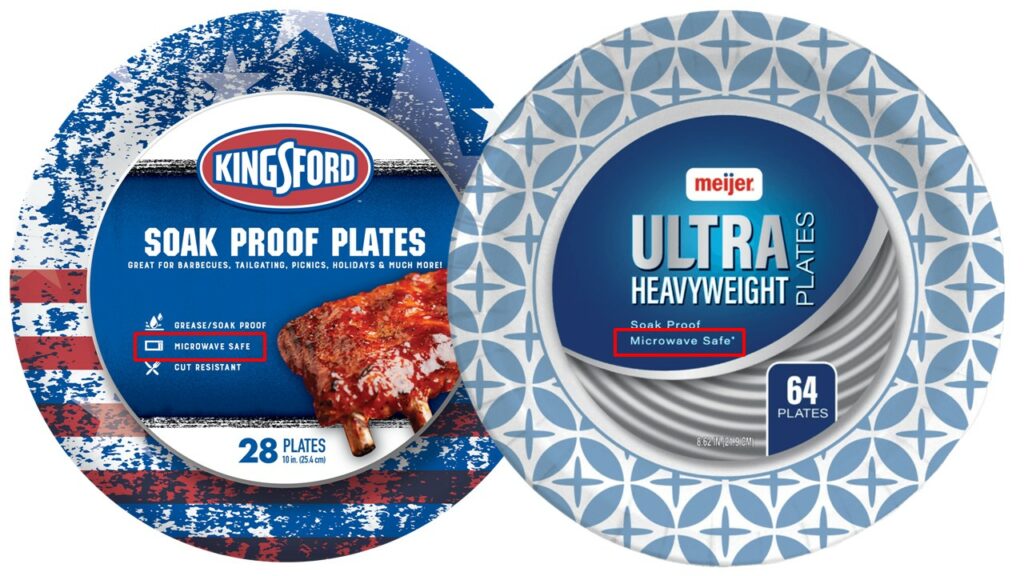
When figuring out if your plates are Microwave Safe Paper Plates, check for a label that confirms they can be safely heated in the microwave. Before throwing away the packaging, take a moment to inspect it carefully, as it may contain important information about whether the plates are safe for microwave use.
As you search for the microwave-safe label, look for any symbols or messages that indicate the plate’s suitability for the microwave. Manufacturers often provide specific instructions or warnings on their packaging, so reading these details closely will help you make informed choices when heating your plates.
If you’re unsure about microwaving paper plates, paper towels can sometimes be used to cover food. Check out our guide on whether paper towels are safe in the microwave here!
Alternatives to Microwaving Paper Plates
If you’re worried about the risks of microwaving Microwave Safe Paper Plates, there are several alternatives to consider. One option is using glass or ceramic dishes that are specifically labeled microwave-safe. These types of dishes are built to handle high heat, making them a safer choice for warming up your food.
Another alternative is reusable plastic containers. Just make sure they are labeled as microwave-safe, as these containers are designed to endure high temperatures without releasing harmful chemicals into your food.
Conclusion
In conclusion, microwaving paper plates can be a risky practice if not done properly. Understanding the composition of the plate and following safety tips can help reduce the risk of harm. It is important to read the label carefully and choose paper plates that are specifically labeled as microwave-safe and use paper plate holders. If you are concerned about the risks, there are alternatives such as using glass or ceramic dishes or reusable plastic containers. Ultimately, it is up to each individual to decide whether or not to microwave paper plates, but it is important to make an informed choice to ensure the safety of yourself and your family.
Frequently Asked Questions
Can paper plates catch fire in the microwave?
Yes, if heated too long or at very high power. Always use short heating time and low to medium power.
Can wax coated or plastic coated plates be microwaved?
It is not recommended. The coating can melt and mix with food.
What is the safest plate for the microwave?
Glass and ceramic plates are the safest for regular microwave use.
How long should you microwave food on a paper plate?
Around 1 to 2 minutes is usually enough for most foods.